The Saunavasta (sauna whisk) Tradition

This article is about the saunavasta (sauna whisk) tradition. See also the Different types of sauna whisks post.

A popular tradition in Finnish sauna culture is to beat the sh*t out of your friend with birch branches called sauna whisks, or saunavihta (Western Finland) or saunavasta (Eastern Finland) in Finnish. In addition to relieving your aggressions, your friend gets a thorough deep clean and his blood circulation improves. Everybody wins.

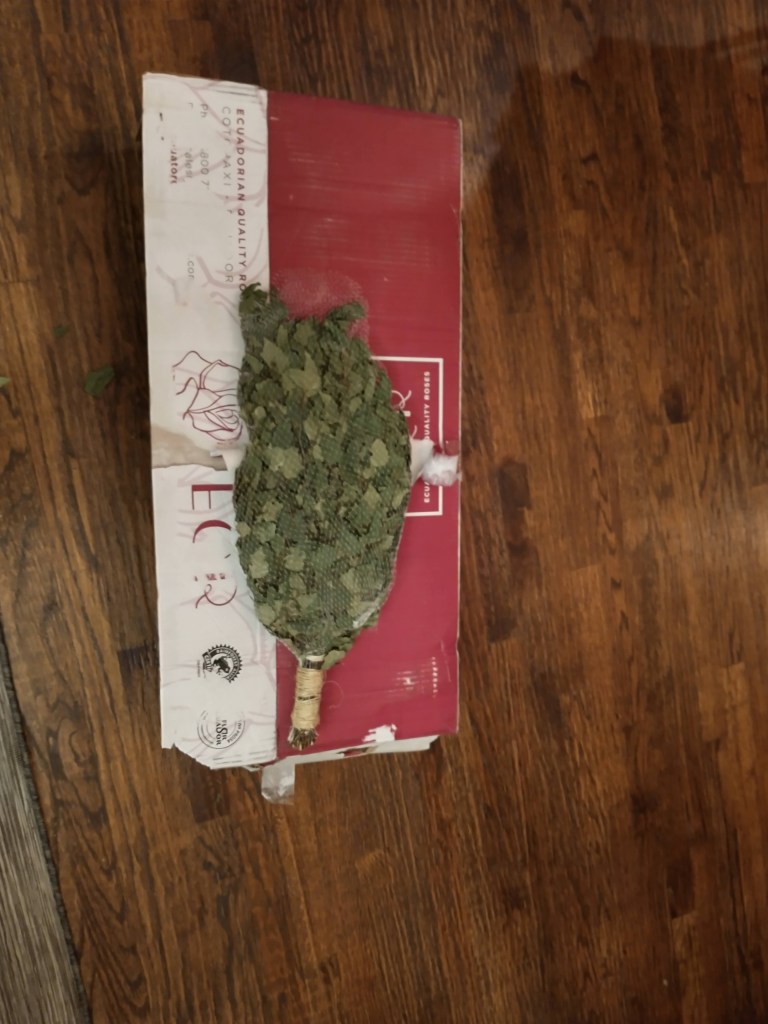
As said, Finnish whisks are almost always made out of birch tree branches, but oak and juniper whisks are also available. I have also seen eucalyptus and linden whisks and even ones made of plastic or silicone.

Ordering whisks

You can find fresh burch whisks at traditional marketplaces in Finland. Dried whisks are available at grocery stores, for example.

Websites like etsy.com help those who live outside of Finland. Amazon has them as well but the cost seems to be quite high. Etsy.com becomes cheaper if you can order many whisks at a time and can wait a bit longer. I’d say that the cost per whisk when ordering online comes to about $10-15 a piece including shipping if you order about six to ten whisks at a tome. Look for different sellers as the shippjng costs seem to vary. Amazon charges between $25-35. In Finland, you should be prepared to pay about 5-8 euros a piece.

You can always make one yourself too and I might cover the instructions in a separate blog post later. Notice, however that you are not allowed to take branches from living trees in forests unless you own the forest, of course.

Preparation of whisks

The fresh whisks are ready to go as such. The dried whisk is first sunk into either cold water (takes up to an hour) or hot water (20 mins). If I have time, I often sink the whisk upside down in a bucket (the handle part first) and then turn it around after 20-30 mins and and leave it for another half an hour. The cold water option is always better if you have time: the leaves won’t get loose as easy then.

The Russian Venik Treatment

There are two major ways of the whisk use: the Russian way (venik massage) abd the Finnish way (massacre).

In Russian venik massage you would lay down on the sauna bench and your trusted friend would then quite gently and rhythmically apply the whisk on your body. Cute.

The Finnish Saunavasta Rite

In the Finnish saunavasta massacre, the sauna whisk is first appropriately heated up over the stove. Take the whisk from the water bucket and hold the dripping whisk about 10 inches above the stove and pour water on the stove. Rotate the whisk to thoroughly warm it. When you touch the leaves and it burns, it is good to go.

Notes for Karens: you should actually carefully touch the whisk after removing it from above the stove. If it feels too hot, it probably is too hot. You may also burn your fingers while preparing the whisk or while testing if it’s too hot. It’s a bit like hot coffee. It is hot and the lid says it might be hot. Let this act as the cautionary note. Sauna whisks may get hot and hot stoves are certainly hot.

Ask your friend to turn his or her back towards you and whack or slap her back with the whisk. As far as the proper sauna lingo goes, “bend over” goes down with varying results.

While whisking your friend, there is no need to use excess force. However, it is also quite important not to leave the hot whisk on the back. I’d say about 100 slaps per minute is probably pretty good tempo.

Then you take turns and depending on how you treated your friend, you might get a revenge. Then you both whack your feet and chest and yell in a masculine way.

I saw a documentary from Germany where they insisted that two people cannot use the same whisk for hygienic reasons. Finns believe that the heat kills the bacteria but maybe the hygiene standards have changed over the centuries. Let’s agree that Germans know better and stubborn Finns are just daredevils.

Re-using the whisks and the water

The (birch) whisks emit nice aroma. You can pour the water where the whisk is prepared and kept on the stove. Watch out that you don’t pour lose leaves on the hot rocks though.

The water will eventually get gooey but you can store it in bottles or containers and freeze them for later use: just melt the blocks in löyly water.

I always thought you could use the sauna whisk for one time only but nowadays I just leave the whisk to dry in a hot sauna and have been able to restore it in cold water for multiple uses even weeks after.
Sauna Scents

Some use sauna for aromatherapy and some just like to add some scents there. Just out of curiosity, I have spent a lot of time to test different scents.

Incense

I generally like burning incense and I brought a few of those to the sauna. It turned out that the scent is too weak so this was a nice experience but nothing to write home about.

Beer

This is the Batman of all sauna scents. It creates a nice fresh bread aroma. Just a few things to keep in mind. Firstly, never pour beer directly on the stove as it will likely burn on the stones and it will leave a bad burning smell for long time. Instead, pour a little bit (one oz or so) in a laddle that is almost full of water. Secondly, do not waste your fancy hipster beers on this. Many IPAs or fruity beers won’t smell good at all. Use the good old light beer. Thirdly, do not assume that pouring any other drink would make sense. Only water or water with just a little bit beer and nothing else.

Commercial sauna scents

Many commercial sauna scents are eucalyptus oil based and sometimes flavored with another scent like smoke, tar, birch, bacon, you name it.

It is okay to like eucalyptus smell. It is just so non-Finnish thing and literally from the opposite side of the planet. But Australians are fine people.

There are a few interesting alternatives too. I ran into a glögi/glögg scent from Emendo. Their English page translates this to mulled wine but glögi can also be made of berry juice and this one smells more like it. Anyways, nice Christmassy scent with cinnamon. Other companies like Rento also make scents of Arctic berries, if you want to try something different.

Tar

Tar is a natural and a manly product. It leaves a really nice scent but it is easy to create mess with tar too. I spent some time to find the ideal product from different sauna-related sites and stores. The issue was that many products were just eucalyptus oil with a bit of tar. I finally ended up ordering just natural pine tar that apparently is also used as an insect repellent to cover wounds on sheep. Anyway, this product at premier1supplies.com turned out to be perfect for my needs.

I just drop one small drop on a laddle. It is likely that the tar will leave marks on your sauna bucket and walls so rubbing a few drops on a stove is a better way. It should go without saying but add those tar drops before you start heating up the sauna.

Birch

Birch is very natural scent and brings back memories from childhood when the bright summer nights seemed to last forever. Yea, we were bored sometimes. The easiest way to add birch scent is to use the water where your prepare your sauna whisk. Just be careful to not throw leafs from that water on the stove. The wet leafs will eventually dry and then burn on the stove, trust me. That’s not the most dangerous thing in the world. It is even less dangerous than using a nail gun after 10 beers. Burnt leafs just won’t smell good.

Sauna Hats

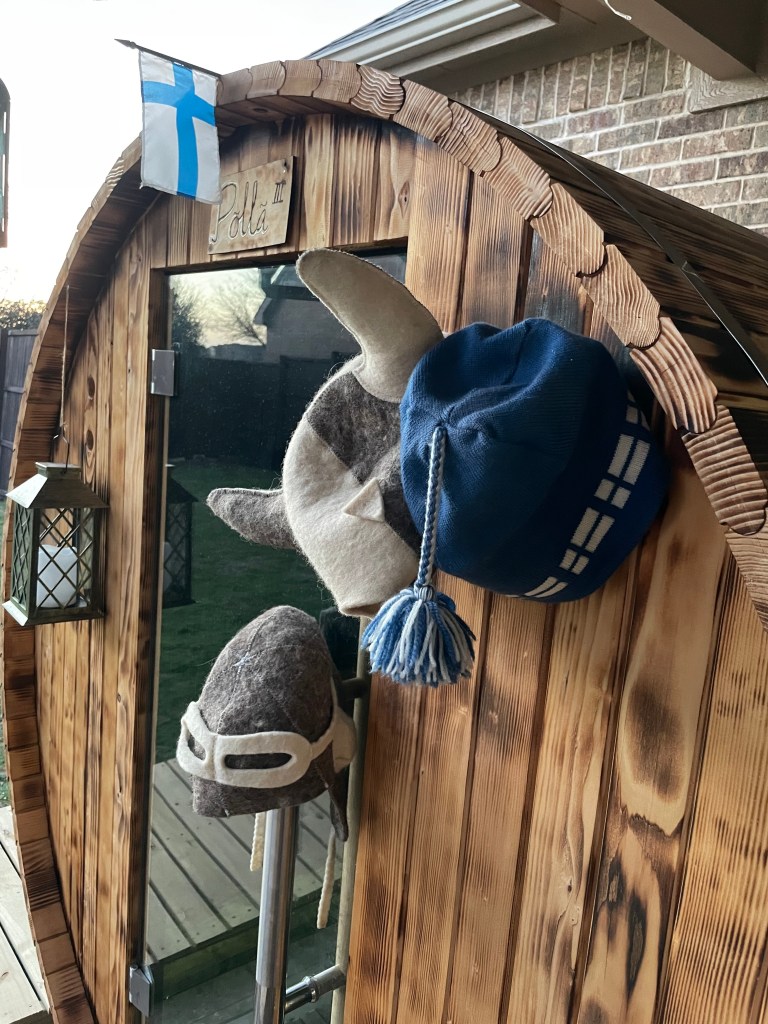
I never wore a hat in sauna in my childhood and I actually had to check if anyone wore one in the pictures featured in the Unesco’s presentation of Finnish sauna culture. It turns out that Finns wear hats in sauna but my believe is that this tradition might be more popular in Russia.

In any event, sauna hats are very useful especially in barrel saunas as your auricles are very sensitive to heat and you the steam tends to be quite intense at the level of your ears in these saunas. Most hats made of cotton or wool will do as long as they cover your ears.

Some might also think that these hats are uncomfortable because they make you sweat more. That makes sense: if you wear a wool hat in a ski bar, you will eventually want to take it off. However, one of the reasons you go to sauna is that you try to sweat.

So the sauna hats are pretty straight-forward but there are a few commonly known dilemmas related to sauna hats. Firstly, for some of us, sauna is our church or sanctuary and you should not wear a hat in a church if you are a male. That what was told to me. Secondly, I am contemplating, whether a sauna hat can be wore while holding the holy grail of Sauna-Jallu. Sauna-Jallu’s and Ararat Rail’s ways are unexplored.

The “Ovi Kii” Rule

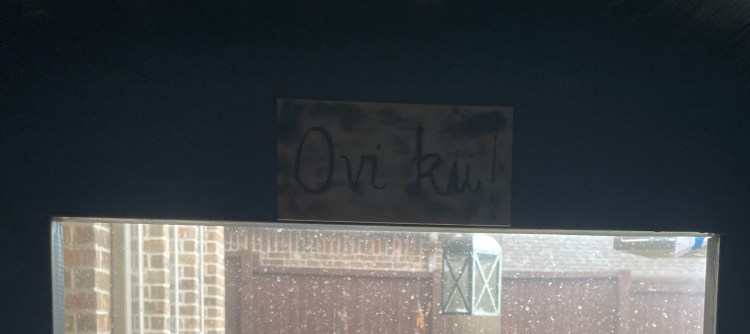
An essential sauna rule not to break is the so called “Ovi kii!” rule.

As you might guess, we burn decent amount of fuel of some kind to heat up the sauna and the sauna stones. You generate steam, aka löyly, by slowly pouring water on hot stones. This very inefficient, yet traditional way of generating steam practically means that the stones cool down relatively fast on their own and especially if you pour water on them.

The diagrams below show whether the (electric) stove is on or off and what happens to the stone temperature as you pour water (notice the peaks in humidity as I added water). Generally speaking, you get the best steam when the rocks are above 200c hot. If you see the steam, the rocks are too cold.

So löyly is precious and you can only get so much of it in a limited period of time. If you pour too much water on the stove, you’ll have to wain until the rocks heat up again. The challenge is then that if you keep the stove on for too long to re-heat the rocks, the sauna will get too hot.

This long intro should perfectly clarify why it is a crime to keep the door open in a sauna. However, many sauna novices don’t obviously know this so they often like to keep the door open to look inside and then slowly decide whether they want to come in to the sauna or not.

This ignorance will almost certainly result in more experienced sauna patrons yell “Ovi kii!” to you.

Ovi kii! this translates to “Shut the door for god sakes, you no-brain sauna noob! Now you ruined the steam and we have to do all this again”.

Passive-aggressive solutions to the problem

My first iteration to solve this ovi kii problem was to add a sign above the door. Not outside, to remind the person coming in but inside to remind, how to shout that phrase. The efficiency of this mitigation effort was neglible.

Luckily, Amazon is full of cheap electronic components, so the next iteration was to purchase a door sensor that would integrate with Home Assistant. This allowed us to build a logic where if the door remained open for three seconds, a smart speaker would yell Ovi kii in the sauna! This dramatically reduced trauma in my lungs.

But as opening the door while there is no löyly in the air is dramatically less serious demeanor than opening the door right after someone just added stream, we had to improve the logic with humidity sensor that uses even stronger language during those very misfortunate events.

All in all, we have now achieved the ultimate solution for the Finnish people: getting everyone in line without having to say a word. Hooray technology!

Ararat Rail

Ararat rail is somewhat spontaneous sauna gadget that me and Mo decided to build. As mentioned in the Sauna-Jallu post, some people may consume adult beverages in sauna. This is highly discouraged, of course.

While jallu has some heritage value, the king of brandy-based beverages is Armenian Ararat. This product is sold in most countries and I consider Ararat 10 a pretty solid and smooth brandy.

To be able to serve this drink in sauna in the Covid times, one must consider contactless ways of passing the bottle from one side to another. I happened to have a few fine pieces of board and some metal chain so I figured that by nailing two pieces of board together thus creating a rail and then attaching that rail with a chain to the roof, one could simply slide a bottle from one side to another by lifting the rail from one end.

As you might assume, the practice eats the theory for breakfast. In my rigorous field tests the friction in the rail proved too high. Those of you that are familiar with Ararat bottles understand that the shape of the bottle was not designed this sauna tradition in mind. Luckily, a nearby hardware store sells sanders.

The video below shows this engineering masterpiece in action.

Sauna-Jallu

Sauna-Jallu tradition was introduced to me as late as 2019.

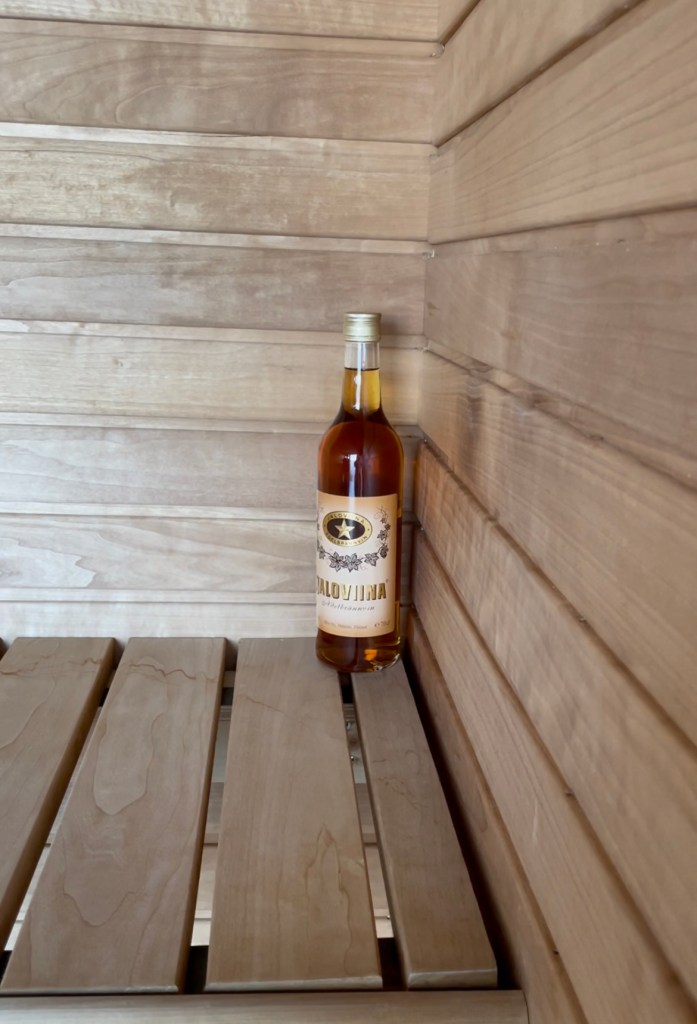
Jallu, aka jaloviina aka cut brandy is an iconic adult beverage in Finland. It is not a Finnish invention as such but a very Finnish drink indeed: a mixture of brandy, grain liquor and water. What makes it so Finnish then? According my knowledge, Finnish soldiers were offered small amounts of this drink to celebrate Marshall Mannerheim’s 75th birthday in 1942 during the second World War. Those were tough years and we had shortage on everything. So let’s just assume that we had enough brandy or cognac for 25% of soldiers and enough grain liquor to the rest. Instead of figuring out, who gets what, they just gave everyone a mixture of two. The two liquors don’t necessarily mix super well but this was democracy at its best.

Now, the Sauna-Jallu tradition is to bring a full bottle of this delicacy to sauna before you start heating it up. You place the bottle on the bench and let it warm up. You then share the drink when you go to sauna and everyone swishes it like you were using mouth wash. The cap will get hot in sauna so be careful. A pro tip is to turn the bottle upside down before opening the cap or sinking the neck in a bucket of water.

The experience is relatively surprising as this drink, counterintuitively, seems get better after heating. Well, you know what they say about warm vs. cold Japanese sake: premium sake is always served chilled and lower-grade sake is often heated up. Maybe the same goes with premium cognac vs. jaloviina. I am not sure what the swishing part does.

I cannot really recommend trying this out because promoting alcohol consumption is not smart and one of the warning signs that came with the sauna specifically warned against alcohol consumption in sauna. Sharing a bottle like that is not very smart either after all what we have learned during covid. Cups might be an option. A purpose-built Ararat rail is also a neat way to transport also the bottle from A to B.

If you were curious to know, how this drink is made, you just need cognac and grain liquor. As grain liquor may not always be available, I have heard that people have been using vodka instead. There are four different grades of jallu: zero, one, two, and three star:

  • Zero Star Jallu – just a little bit cognac, called sergeant major
  • One Star Jallu – 25% of cognac, called sheriff or second lieutenant
  • Two Star Jallu – 50% jof cognac, called lieutenant
  • Three Star Jallu – 75% of cognac, called captain

The key is simply to mix the two ingredients. A pro tip is to buy a bottle of each. Pour a quarter of the vodka to a separate container. Then fill the vodka container with cognac to creat a one star bottle. Finally pour a quarter of the vodka to the cognac bottle to create a delicious bottle of el capitan.

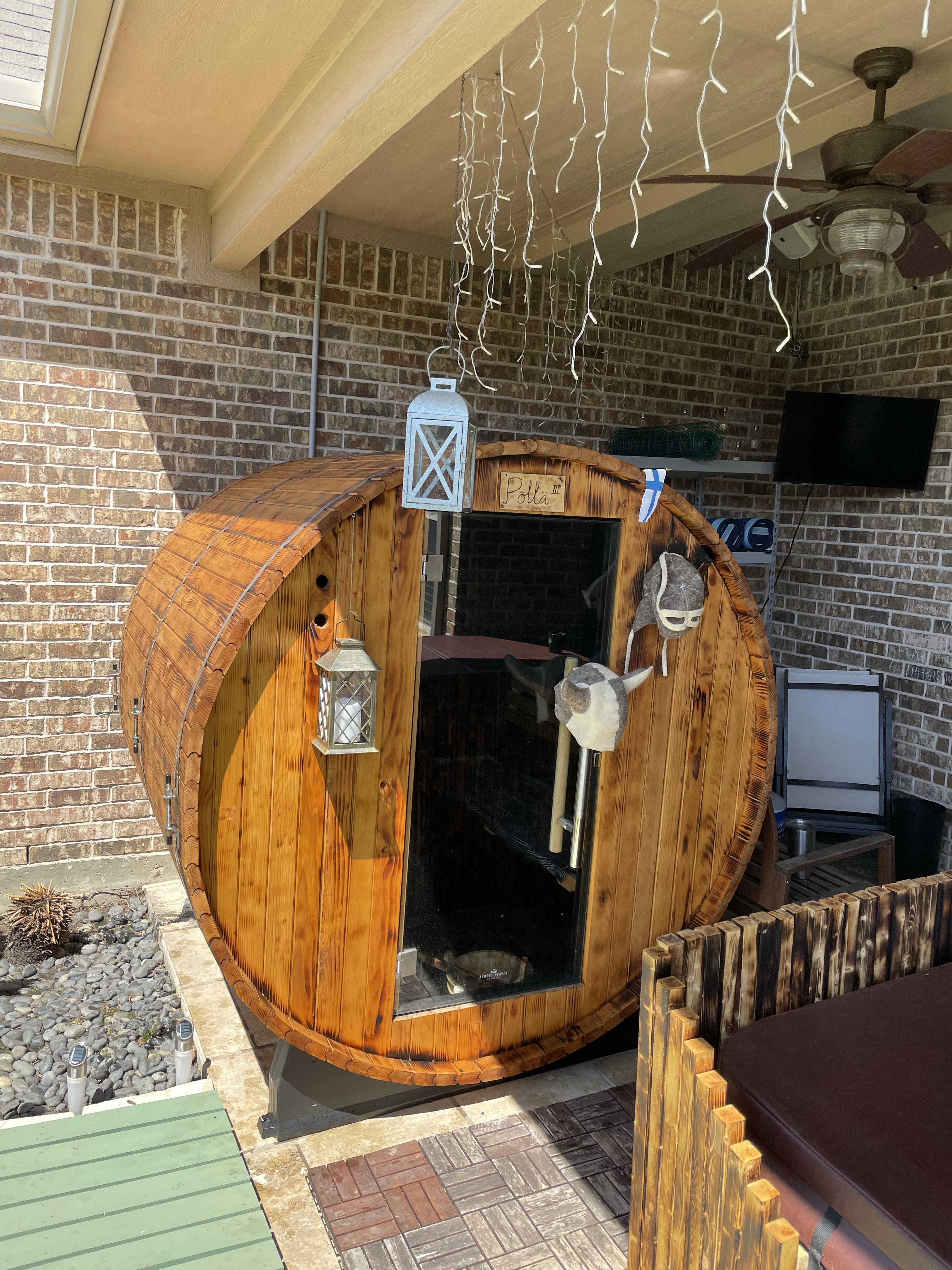
Pöllä 3 Sauna

I have always enjoyed going to a sauna and when I lived in Finland, I didn’t really think about all that so much: you just go to sauna very often. Like many Finns, I was also quite opinionated about sauna. We tend to comment on bad sauna builds and often rage when hotels abroad won’t let us pour water on the stove.

I moved to Dallas, TX in 2013 and didn’t really miss sauna at first. After all, I had a chance to go back to Finland four or five times a year for business and when I went back there, I got my dose of sauna for sure. I also visited Russian Banya close to my new home from time to time.

COVID really changed my lifestyle and put all my travel in halt. It was a dramatic change in many ways of course and, eventually I, like most of us, ended up spending a lot more time at home. Funny enough, me and my wife started looking at a bigger place to live and work in summer of 2020 and when looking at houses, I always looked at he backyards and patios and measured, where to fit a sauna. Our realtor probably had fun stories to tell at home because we went to see 20+ houses. Very honestly, we disqualified a few nice houses just because sauna would not fit anywhere. That said, gardens and backyards are often small in my area and HOAs are not thrilled about wood-burning heaters so the sauna options are often limited.

Choosing the sauna

In the U.S., you have all the same sauna options to choose from than anywhere else. I’m not sure though if anyone would approve a chimneyless traditional smoke sauna here but other than that, you can choose between barrel and cabin sauna kits, indoor saunas, infrared rooms, and anything in between – or build one from the scratch.

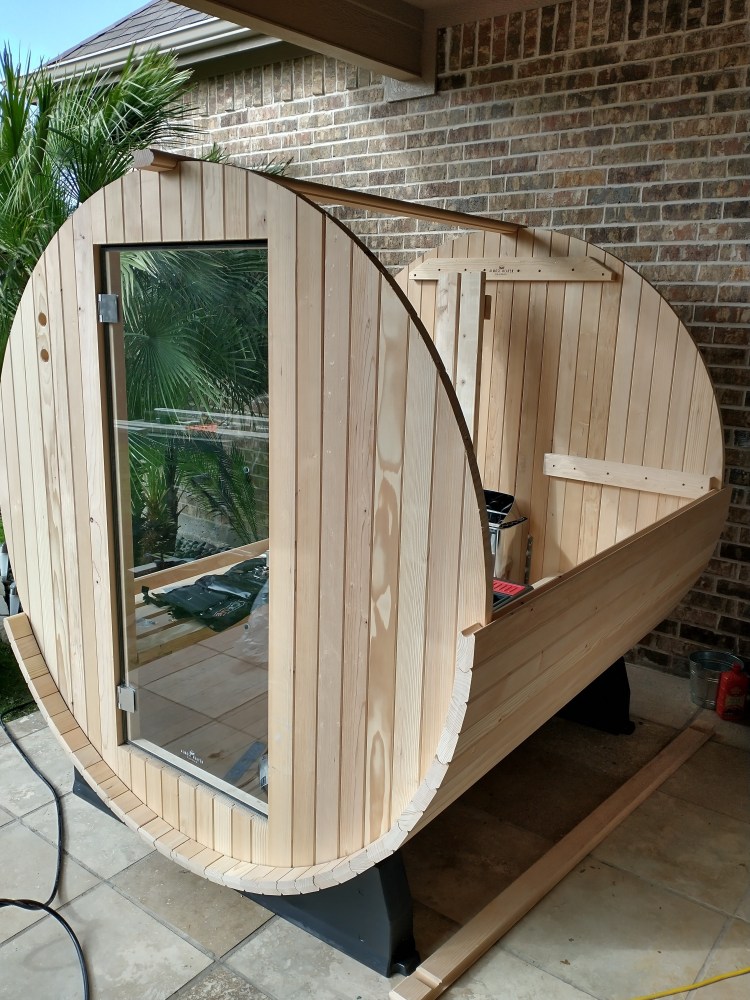
In my case, I could easily fit about 6 x 6 ft sauna on my patio. The HOA would not have approved a wood burner on my backyard anyway, so it was just better to go with an electric one. My friend Mo had buillt his barrel sauna from Almost Heaven Saunas a few years before. I had tried it a couple of times and was pleasantly surprised: barrel saunas have one obvious limitation, which is the height – you cannot really build the seats so that your feet would lay higher than the top of the stove. However, the steam was awesome. Maybe that has something to do with the barrel shape and relatively low volume of less than 4m3.

Barrel Sauna Assembly

The sauna comes as a kit. The assembly is very straight-forward and the instructions are clear. The only needed tools are an electric screwdriver/drill, hammer, rubber hammer and a level. I used a nail gun just because I had one but you can just use a regular hammer and nails too. You need two or preferably three persons because you want to be careful with the big glass door. It took us about a full day to assemble the sauna but we did not rush and we ended up building extra seats for better steam (löyly).

Naming the Sauna

Like ships, saunas should be named too. I did not smash a champagne bottle against the wall but my sauna was officially opened by attaching the name sign on the wall with the Finlandia hymn played on the background. I named my sauna as Pöllä 3. Pöllä is a name of an island in Punkaharju. My great grandfather had a summer place there and that place was somehow so Finnish. It was also a “project” with so much to do every time we went there. My uncle called his summer place project Pöllä 2, hence the number three.

Sauna Theme

I think it makes sense to pick a theme for your sauna. That helps you to make improvements that are consistent. For example, you might choose to emphasize natural tree colors. My goal was to build my own sanctuary where to rest after a busy day.

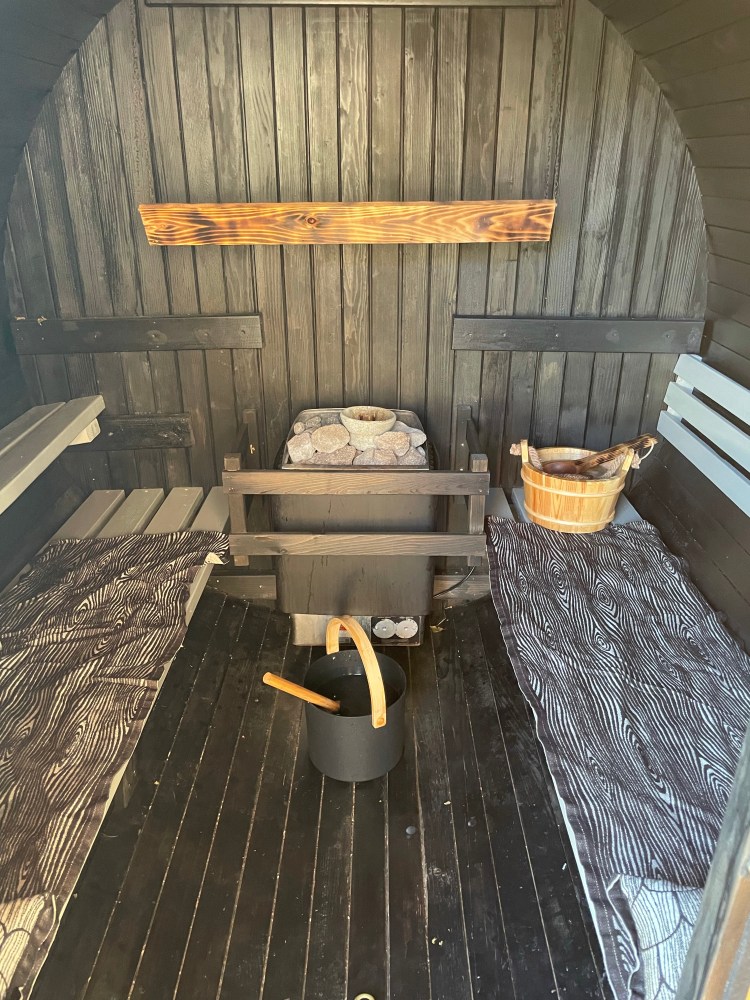
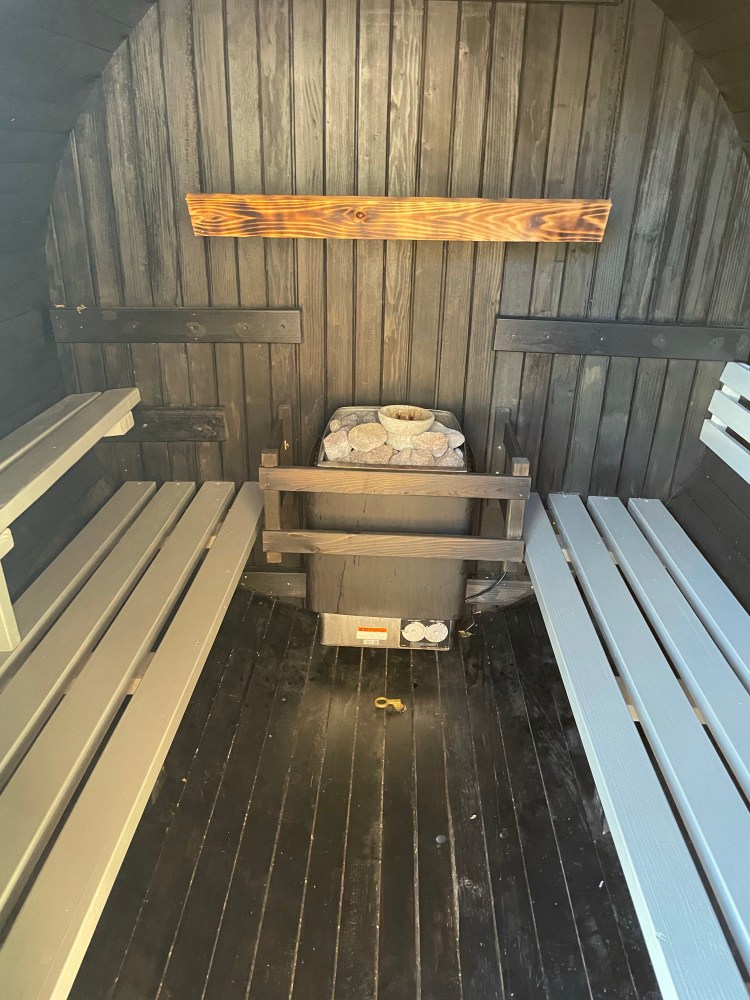
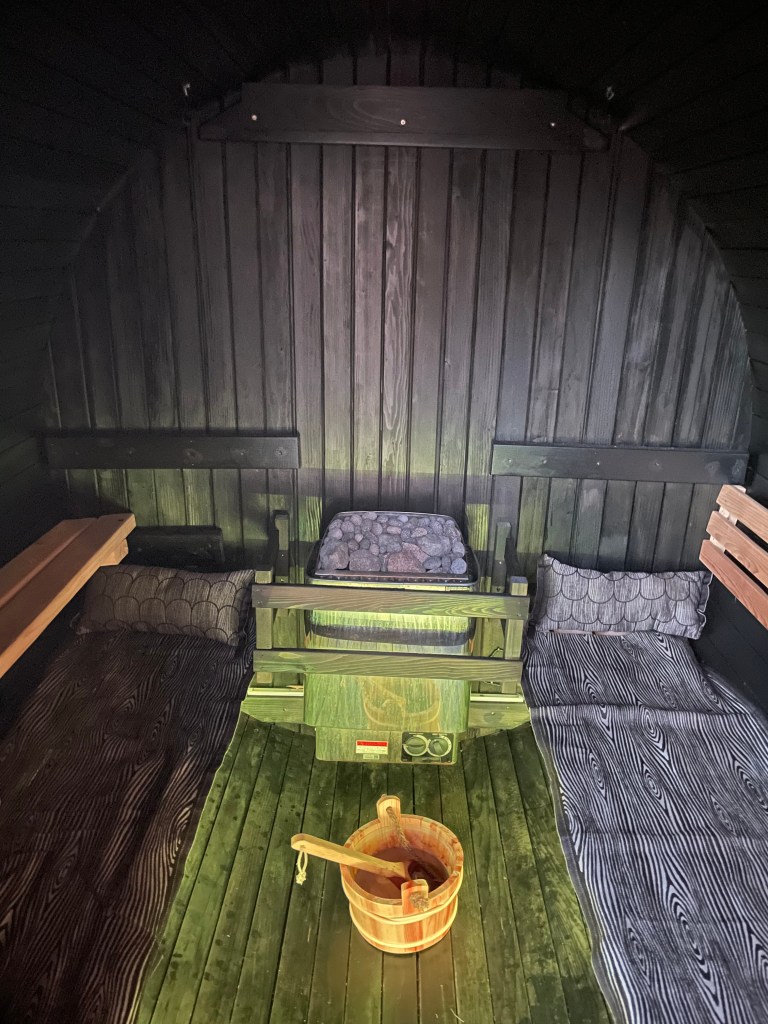
To emphasize tranquility, I chose to paint the interior walls black and the benches grey. Traditional Finnish chimneyless smoke saunas actually always had black walls because of the soot that was emitted from the burner. Sauna interior cannot be painted with regular paint because of the heat and humidity. The coating must be breathable. The availability of these special sauna waxes is quite limited in USA, so I had to ask my mom to ship me some Tikkurila Supi Sauna Wax from Finland. This wax also prevents molding.

I also decided to add some technology to my sauna. I had always been intrigued of better understanding the anatomy of perfect steam in a sauna so that required adding temperature and humidity sensors. I then realized that this information could be used real time in sauna to announce messages which inspired us to develop a sauna companion app.

So actually my sauna ended up being a hybrid of traditional values accompanied with technology. Early 1900’s combined with 2020’s and systematically avoiding the era between 1970 – 2020.

Sauna Rules

My sauna came with useful warning signs and rules that appropriately warn that the sauna might get hot and the hot stove is not among the best things to rest your hand on. If you get dizzy, it probably makes sense to leave the sauna. Two signs full of text but in my opinion, there are just one or two essential sauna rules: don’t talk too much and don’t leave the door open.

I won’t talk too much about talking too much but there is a reason why you have two ears, two eyes and only one mouth. Use these proportionally. I like to chat in sauna with friends though.

The other sauna rule not to break is the so called “Ovi kii!” rule.

Lights

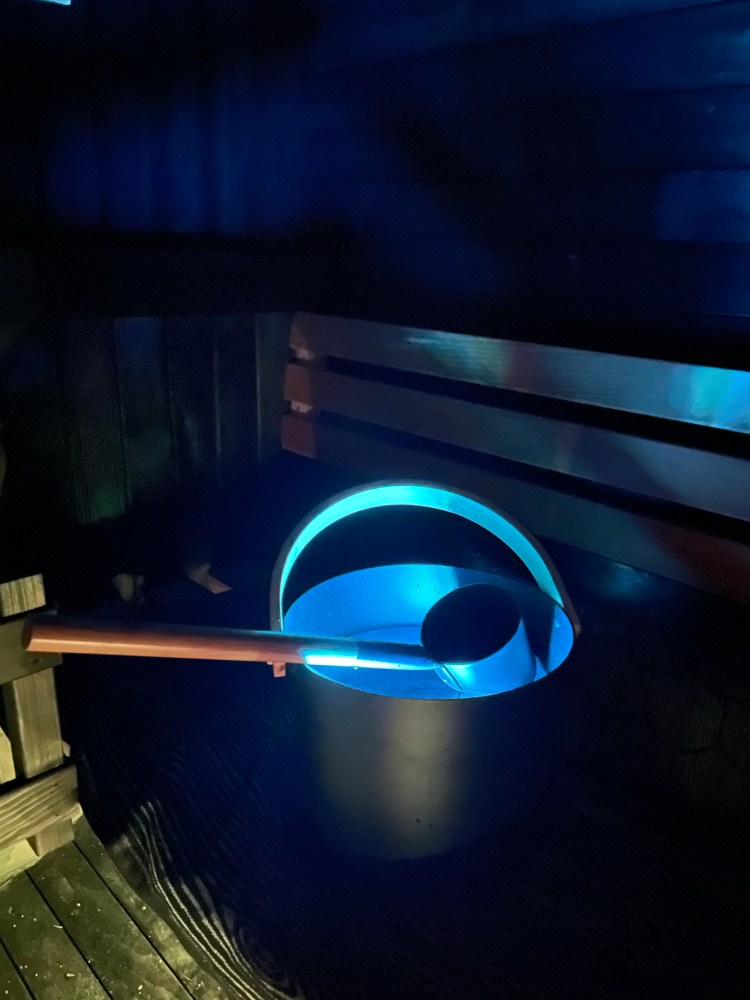
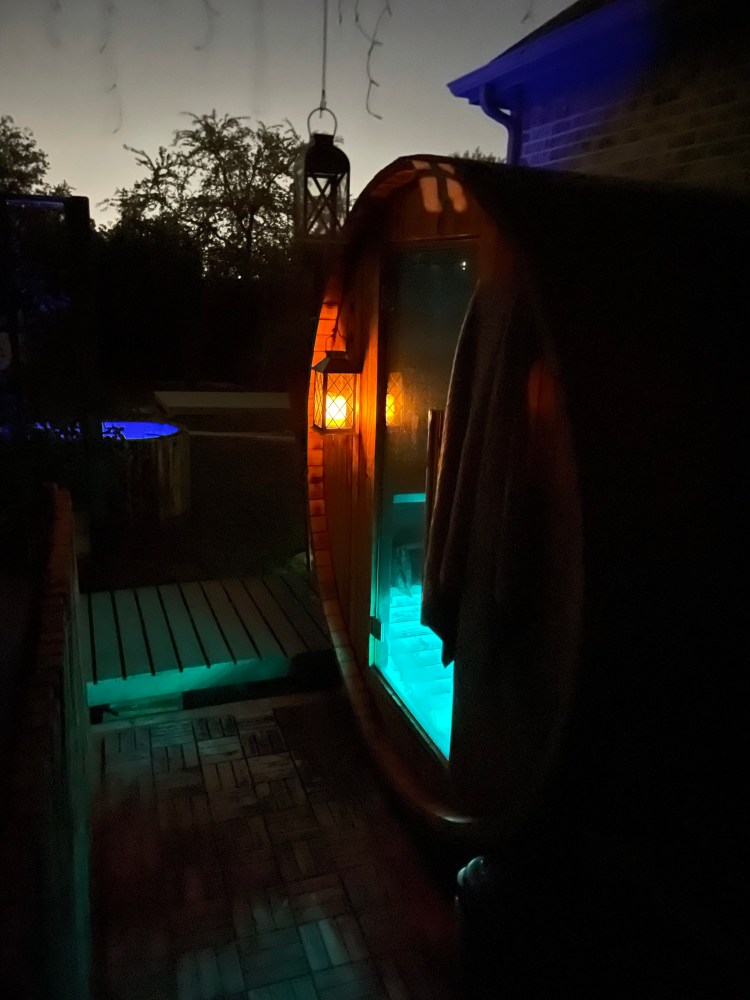
The sauna kit came with a led strip that is installed behind the stove. I felt the light was too bright for me so I ordered waterproof led strips and ran them under the benches. These led lights came with an app that provides multiple nice effects. The aurora effect is very soothing an suitable for sauna. Govee can also be integrated with Home Assistant over WiFi. This enables automation based on the temperature, for example. In my case, the lights are illuminates when the sauna is ready to use and shut down automatically as the sauna cools down.

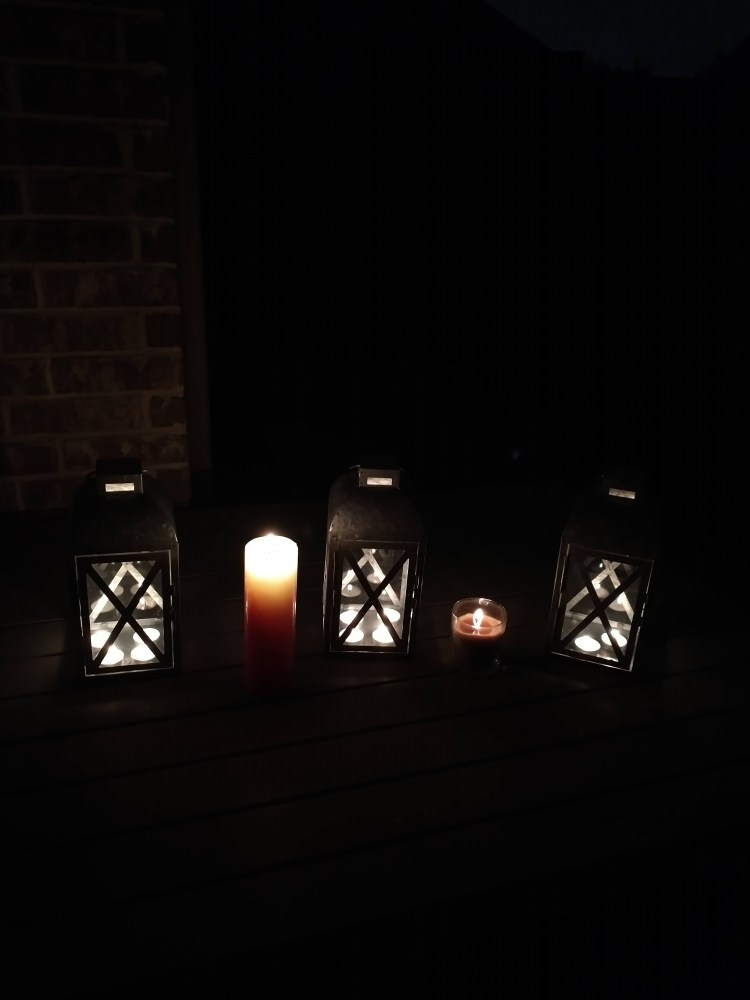
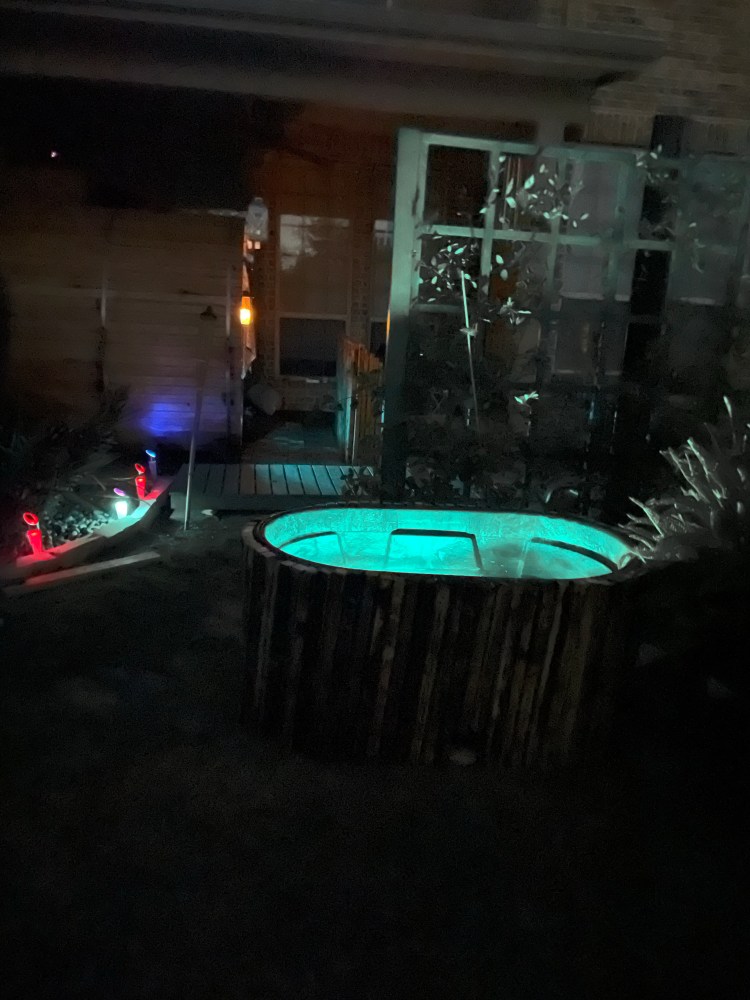
I also often put submersible led lights in buckets full of water. The water keeps the lights cooled down and the water surface creates nice light reflections. Outside the sauna, I use regular or led candles and lanterns to create natural dim light.

Sauna textiles

To finish up (or to Finnish up…), I added Finnish sauna seat covers from Lapuan Kankurit. They are one of the few textile manufacturers in Finland and they promote very nice Nordic designs that are very suitable to saunas. Using some cover on sauna benches makes sense in general and flax is a good material for these covers. These products are available via multiple webstores, including Finn Style.

Just remember to always check that the textiles won’t touch the heater before you switch the stove on.

Ventilation

Barrel saunas rely on gravity-based ventilation (fresh air in from the floor level and hot air out from the vent on the level of your head). This is not ideal for a good steam. To solve the issue and to reduce heat stratification between the toes and the head, I implemented mechanical ventilation in my sauna.

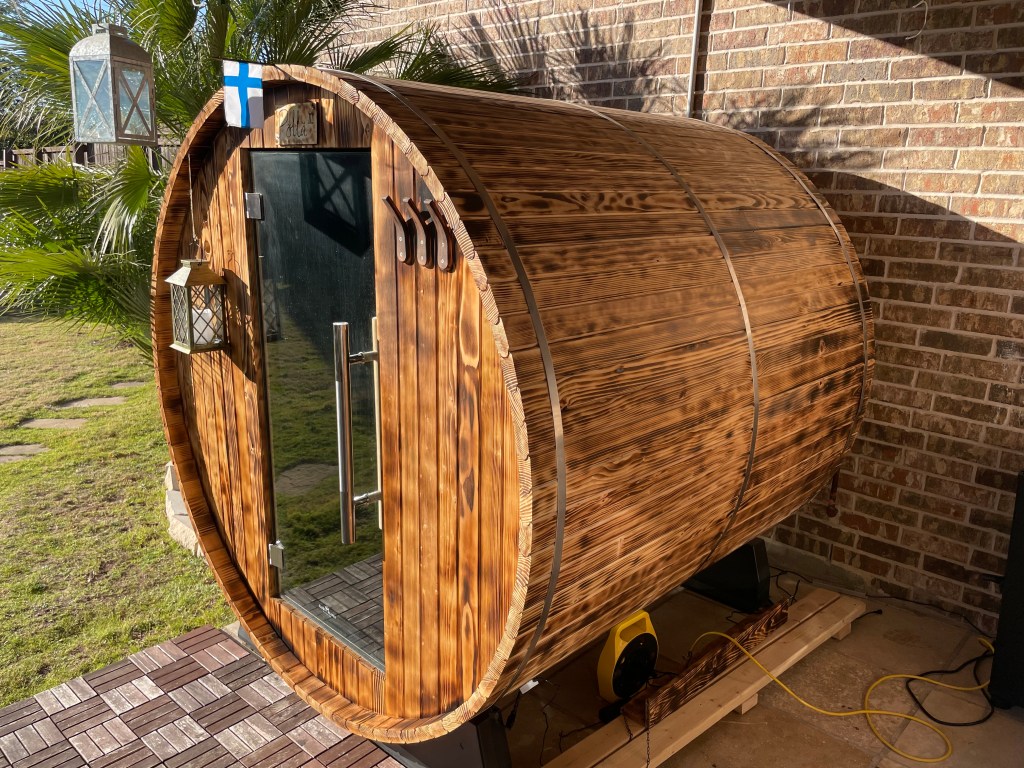
Exterior

To promote the natural wood tones, I chose to burn the exterior with a torch. Another option would be to paint the walls but burned wood looks very cool. After a couple of months, I stained the exterior with linseed oil. Another option would have been to use “Roslag’s mahogany”, which is a mixture of tar, linseed oil and pine turpentine. This mixture would have changed the color darker and would have been a great option if I hadn’t already burned the walls.

Lounge

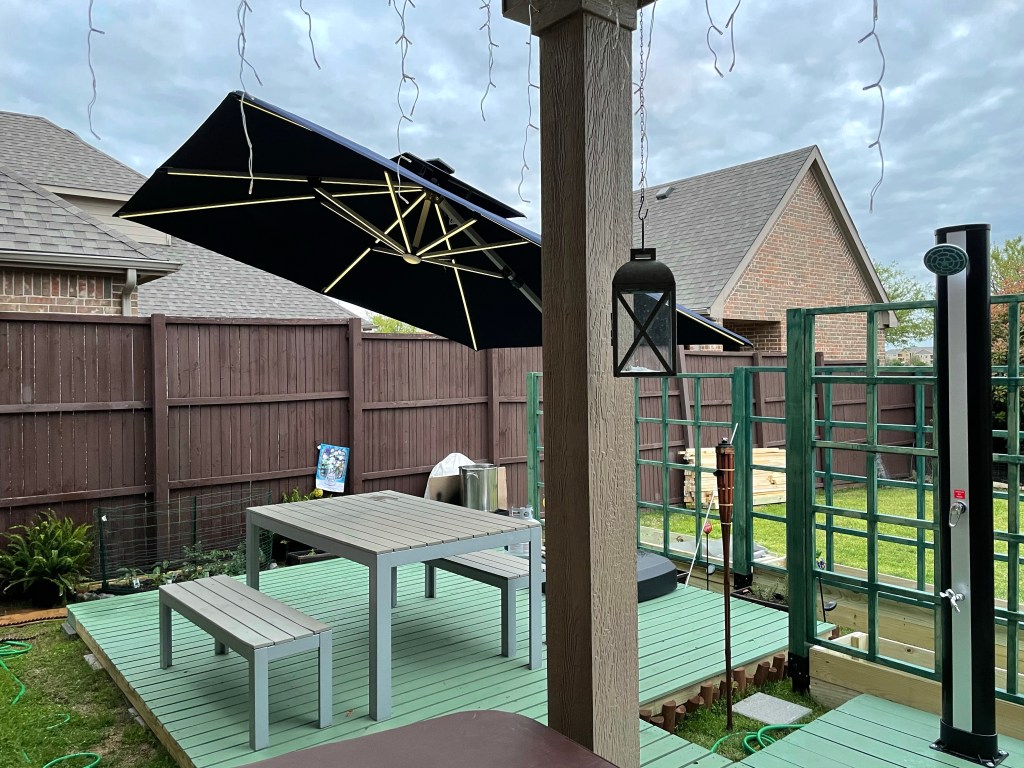
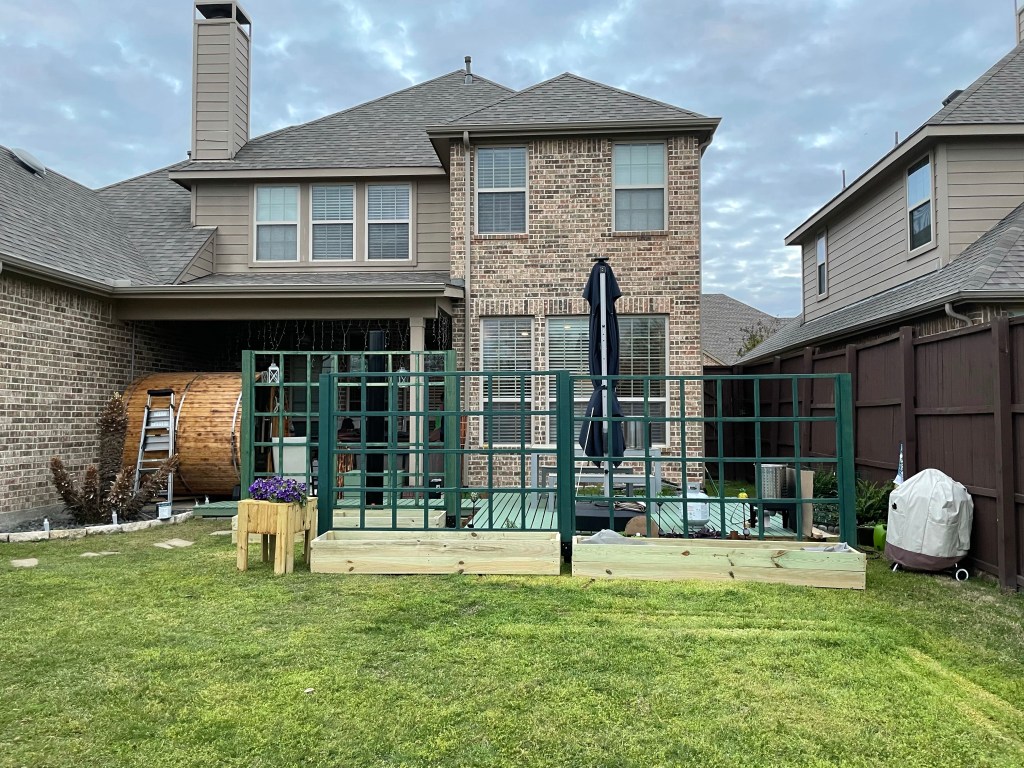
My typical sauna routine is probably about 60-90 minutes unless my friends come over. I take maybe 3-4 sessions every time and the sauna session is 10 mins max. (I don’t have a clock in my sauna). Part of my routine is also to chill between the sessions so I added a cold plunge, hot tub, garden shower and a small corner with TV and speakers. I don’t always have to watch or listen to anything but it is nice to have those options. The hot tub has vinyl walls so I had to build a wooden cover/fence so that I’m not staring plastic when looking out from the steam room. Feng shui is important.

Technology

As mentioned above, me and my friend Mo developed a sauna companion app to keep you company during the sessions. It can compliment the steam, ask for more steam, and it obviously loses its s*** when someone leaves the door open for too long.

Gadgets and extras

I also like to add small details here and there like a small Finnish flag outside. For gadgets, my Ararat rail deserves another blog post.